


Cost of War

Global View

Mar. 13, 2026

Cost of War
 

The last 2 weeks have been surreal where on one side we are seeing elevated volatility in the market and on the other side, we are observing an evolving war across the Middle East region which seems like a complicated chess game. One thing is for sure that neither party seems to have a concrete strategy and the situation is quite fluid. The cost of war, humanitarian or monetary, is the one unfortunately that sticks and needs to be managed.


There are different schools of thought about how this matter will eventually evolve. The initial assumption of the market was one that the war will be short lived in a matter of weeks, not months. The US administration has proclaimed this “Epic Fury” initiative as an excursion to the Middle East and not as a proclaimed long-standing war. This is where the problem starts to unravel as if you consider the Iranian stand for now, de-escalation doesn’t seem to be in the near-term cards. Of course, it would be impossible to predict what will happen as there are so many different parts in the equation and a lot of them are in the background. What matters the most, is that it takes two to “tango” and the de-escalation and diplomacy angle should be something that both parties want to achieve. But what is key to the market?


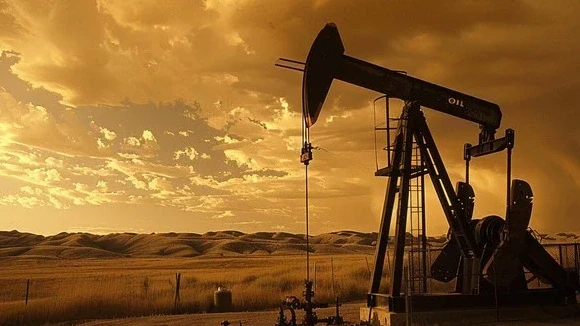
The simple answer to this very complicated question is the price of oil. This month we have seen a price move of 43% higher, which brings year to date returns to 67%, in the price of oil. In the meantime, the rest of the market has had a meaningful drawdown across equity and fixed income indices. But what are the main drivers of the price of oil? Obviously, Iran and the Gulf States which have been impacted are big players in the production of oil. What matters though ironically in this incident is the flow of oil and not so much production. The Strait of Hormuz, which is adjacent to the Iranian north border, connects the Persian Gulf with the Gulf of Oman and the open ocean and it is considered as the world’s most critical oil shipping chokepoint. As it stands, there should be around 20 million barrels per day that should go through on average daily, but given the continued attacks, there are only a few ships allowed to go through affecting the flow of oil into Asia and not only. The IEA, in conjunction with the G7 countries have allowed 400 million barrels to be deployed from the strategic petroleum reserves, as they are supposed to alleviate some of the flow pressures. In practical terms, this has not provided any relief to the market as logistics and execution require time and coordination. At the time of writing this, Brent crude oil futures are trading at $99.75, 9.8% higher on the week (see below graph).

If we look at what has happened to the rest of the market, the moves have been quick with European and Emerging market assets under performing. The year-to-date drawdown (from peak to trough) of European Equity indices amounts to 10-15% with peripheral countries under performing. The EM rhetoric in equity indices amounts to the same drawdown with commodity importers underperforming producers. In the US, equity indices are down 3-5% with small cap equities underperforming given the financing concerns. EURUSD has depreciated by almost 3% this month, trading in the range of 1.145-1.155 context. Gold for now is trading as a risk asset rather than a source of diversification, trading 3.7% lower for the month. On the rates side, core countries such as the US and Germany traded around 25bps wider from the tights, with peripheral bond spreads trading 30-40bps wider on the month.  Front end rates have repriced cuts out with the ECB expected to raise the deposit rate by 40bps by year end. This came as a shock to the market as inflation expectations are getting higher anchored due to supply bottlenecks and the elevated price of oil.


Looking ahead…

Obviously, geopolitical news is the key to price action and as we have seen before in previous volatile markets, we can be one headline away from a reversal of rhetoric which could create a vicious rally in the market. Why do I say that?  Hedging is a great tool to manage drawdown risk, but it also creates crowded trades which any unwind can cause vicious moves. This weekend in my view is quite key. The market might be expecting after 2 continued weeks of war, some kind of de-escalation efforts. Now, if those efforts don’t come through or they do come but with no positive response from Iran, then next week will result to a bigger de grossing exercise by investors which may need to rotate into trades which express a longer disruption on the energy markets.


Written by: Michael Konstantinou, Senior Portfolio Manager

Source:  Bloomberg

The content of this Newsletter has been prepared solely for informational purposes and is not and should not be construed as a recommendation and/or advice to enter in any transactions in relation to any financial instrument or to engage in any particular trading strategy. The views and opinions expressed in this publication are solely of those of the individual author. The information contained herein is addressed to the general public and does not consider the individual circumstances, objectives or needs of any specific reader. This publication is not intended to provide tailored investment advice and should not be relied upon as such. Any person who wishes to enter into any securities transactions and/or engage in any investment activities should seek independent financial advice to assess the relevance of this information to their individual circumstances and risk tolerance. The contents of this publication are based upon or derived from information generally believed to be reliable and no representation is made as to its accuracy and completeness. Athlos Capital Investment Services Ltd accepts no liability with respect to a user’s reliability on it. Although Athlos Capital Investment Services Ltd takes reasonable measures to ensure the security of its website and newsletter content, however, it does not guarantee that the newsletter, website, or any links provided are free from viruses or other harmful digital components. Readers are encouraged to use suitable antivirus software and other cybersecurity measures to protect their devices and data. Athlos Capital Investment Services Ltd accepts no liability for any damage caused by any virus transmitted by this email. You must therefore take full responsibility for checking for viruses. Athlos Capital Investment Services Ltd reserves the right to monitor all e-mail communications.